30초 요약
Fine wine and rare spirits can accumulate significant value over time, but they are fundamentally perishable goods whose worth is highly sensitive to storage history, authenticity, and condition. Unlike most collectibles, they can also simply be opened and enjoyed, which creates a tension between consumption and preservation. Counterfeiting is a serious and well-documented problem in the category, making provenance, the documented chain of ownership and custody, essential to both value and peace of mind. Auction houses, specialist exchanges, and private merchants provide liquidity, but markets are less transparent and less regulated than public securities markets. Most advisers who work with collectors emphasize that passion for the category should come first; financial returns, if any, are secondary and far from guaranteed.
What Collectible Wine and Spirits Actually Are
The phrase "collectible wine and spirits" covers a broad spectrum: cases of first-growth Bordeaux laid down at release, single-malt Scotch whisky bottled by closed distilleries, rare Japanese whisky, vintage Cognac, and limited-edition releases from sought-after producers worldwide. What separates a collectible bottle from an ordinary one is a combination of scarcity, critical reputation, documented aging potential, and the market's willingness to pay a premium for access to it.
Unlike art and other collectibles, wine and spirits are inherently consumable. Every bottle is a potential choice between drinking and holding, a tension that defines the category and distinguishes it from nearly every other asset a family might accumulate. Understanding this tension is the starting point for any serious conversation about a cellar's role within a broader lifestyle asset portfolio.
Provenance and Storage: The Twin Pillars of Value
Provenance means the documented history of a bottle or case: who owned it, where it was stored, how it moved from producer to present owner. In the wine world, provenance is everything. A case of celebrated Burgundy with unbroken documentation from the château's own cellar commands a meaningfully different price than the same wine with gaps in its custody record. Buyers and auction houses scrutinize provenance precisely because counterfeits and poorly stored bottles are real and recurring problems.
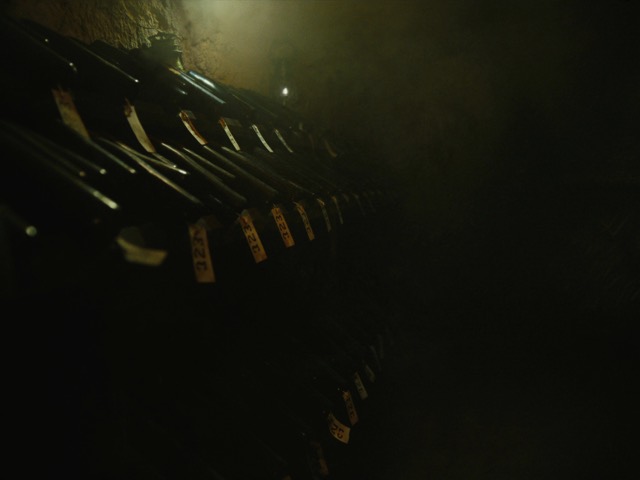
Storage conditions are equally consequential. Wine is sensitive to temperature, humidity, light, and vibration. A bottle stored incorrectly for even a portion of its life can be irreparably damaged, and that damage may not be visible until the cork is pulled. Professional, temperature-controlled storage facilities (often called "bonded warehouses" in the UK, where they also carry tax deferral advantages) are widely used by serious collectors. Families sometimes consider maintaining a combination of a display cellar at home and professional off-site storage for investment-grade bottles.
When evaluating any significant collection, whether inherited, purchased, or assembled over decades, an independent professional appraisal that accounts for storage history is a natural first step. A qualified appraiser with specific wine expertise is meaningfully different from a general personal-property appraiser.
Collectible wine and spirits occupy a distinctive corner of lifestyle assets: simultaneously consumable, storable, tradeable, and emotionally resonant.
Markets, Exchanges, and Liquidity
Collectors who wish to sell face a more fragmented market than investors in public securities. The main channels include:
- Auction houses with dedicated wine departments, which provide access to global bidders and published price results, creating at least some price transparency.
- Specialist wine exchanges and trading platforms, some of which operate as continuously quoted markets for standard cases of benchmark wines.
- Private merchants and négociants, who may buy collections outright or place bottles with their own client base.
- En primeur markets (sometimes called "futures"), where wine is purchased before bottling at a price that reflects expectations about the vintage's ultimate quality.
Liquidity in this market is selective. The most sought-after labels from celebrated vintages sell readily; regional wines or bottles from less fashionable producers may find very limited buyers. Transaction costs, including auction house buyer's and seller's premiums, merchant margins, and shipping, can be substantial relative to the sale price, particularly for smaller collections. Families evaluating a cellar's liquidity profile should verify current market conditions with a specialist merchant or auction house.
Counterfeits and Authentication
Wine counterfeiting is a genuine and well-publicized risk. High-profile criminal cases in the past few decades have demonstrated that sophisticated forgeries (convincing labels, corks, and even bottles) can enter the market through seemingly reputable channels. The problem is particularly acute for older vintages and trophy bottles, precisely the segments where the financial stakes are highest.
Authentication tools have advanced considerably. Some producers now embed digital authentication codes, use proprietary glass, or offer direct-from-château verification services. Third-party authentication specialists exist, though the field remains less standardized than, say, authentication services for currency or sports memorabilia. For spirits, especially older bottlings of discontinued expressions, similar risks exist: fake labels on genuine old bottles, or genuine labels on refilled bottles.
Families building or acquiring significant collections sometimes consider having bottles evaluated by specialist authenticators before purchase, particularly for single bottles or small lots with high unit prices. A qualified attorney and any relevant insurance professional should be consulted when counterfeits are discovered in an existing collection, as legal and coverage questions can be complex.
Insurance and Physical Risk
A meaningful wine or spirits collection warrants dedicated insurance coverage. Standard homeowners policies typically provide inadequate protection: sub-limits may be low, and common perils in a cellar environment (temperature failure, power outage, flooding, accidental breakage) may be excluded or subject to coverage gaps.
Specialist collections insurance for wine generally considers the collection on an agreed-value or scheduled basis, covers breakage and temperature damage, and may extend to bottles held in professional storage facilities. The insurer will typically require a professional appraisal to establish values, and families should plan for periodic reappraisals as market prices shift.
Physical risks beyond insurance include cork taint, premature oxidation, and seepage, all of which can make a bottle worthless regardless of its label. These risks reinforce why professional storage and provenance documentation are so central to the category.
Tax and Ownership Considerations
Wine and spirits collections raise several tax questions that a qualified CPA and estate attorney should evaluate for any particular family's circumstances.
From an income tax standpoint, the classification of a collection, whether held as a personal asset, a collectible investment, or as part of a business, can affect how gains and losses are treated upon sale. Collectibles may be subject to tax treatment that differs from the rates applicable to other capital assets; a qualified CPA should be consulted on current rules. Losses from the sale of personal-use assets are generally not deductible, which is one reason the personal-versus-investment framing matters.
From an estate planning perspective, a cellar with significant appraised value is part of the taxable estate and should be reflected in overall estate planning. Valuation of a wine collection for estate or gift tax purposes requires a qualified appraisal by someone with demonstrated expertise in the category. Families exploring how a collection fits into broader estate plans should coordinate with their estate attorney.
Sales tax and import duty considerations can also arise when acquiring wine across state or national borders. This is another reason specialist counsel is useful for families assembling significant collections.
The Passion-First Principle
The most consistent guidance that wealth advisers and collectors themselves offer is straightforward: approach wine and spirits as a passion, not a financial strategy. Collections assembled around genuine enthusiasm for a region, a producer, or a style tend to be better curated, better documented, and more enjoyable to own than those assembled with a spreadsheet as the primary tool.
This does not mean financial considerations are irrelevant. As part of the broader picture described in managing substantial wealth, a cellar can represent a meaningful concentration of value that deserves the same thoughtful governance applied to other assets: regular appraisal, adequate insurance, clear documentation of ownership, and inclusion in estate planning conversations.
A hypothetical example illustrates the framing: consider a family that inherited a cellar valued at an illustrative $2 million to $3 million alongside a family home. Without an appraisal, insurance review, or estate planning update, the cellar exists as an undocumented, underinsured, and potentially undervalued asset. With modest professional attention, it becomes a documented, insured, and properly positioned part of the family's overall picture, one that can eventually be shared, sold, or gifted with clarity and intention.
기술적 고려사항
Collectibles capital gains treatment, hobby loss rules and the profit-motive analysis, qualified appraisal requirements, related-use limitations on charitable wine donations, and trustee fiduciary duties over collection assets.
Advisers and attorneys working with families who hold significant wine or spirits collections should be attentive to several technical considerations:
- Collectibles tax treatment: Under current U.S. federal tax law, gains on the sale of collectibles (a category that generally includes wine) may be subject to a higher maximum long-term capital gains rate than gains on most other capital assets. The applicable rate and holding-period thresholds should be verified with the client's CPA, as they are set by statute and subject to change.
- Hobby loss rules: If a taxpayer attempts to treat wine activity as a business (to deduct storage, insurance, and acquisition costs), the IRS may challenge this characterization under the hobby loss rules if the activity is not conducted with a genuine profit motive. The nine-factor test under the relevant code section and regulations should be carefully analyzed.
- Qualified appraisal requirements: For estate, gift, and charitable contribution purposes, the IRS requires a "qualified appraisal" by a "qualified appraiser" under specific regulatory definitions. A general appraiser without wine specialty credentials may not satisfy these standards.
- Charitable contributions of wine: Donating wine to charity raises questions about whether the charity can use the wine in a manner related to its exempt purpose, relevant to whether a full fair-market-value deduction is available or whether the deduction is limited to cost basis.
- Estate and trust administration: Trustees holding a collection have a fiduciary duty to preserve trust assets, which may require decisions about whether to sell perishable collectibles or maintain them. This is a judgment that should be made in consultation with legal counsel and documented carefully.
- Import and excise compliance: International acquisitions may trigger customs duties, state excise taxes, and direct-shipping restrictions that vary by jurisdiction. Attorneys familiar with alcohol beverage law should be consulted for significant cross-border transactions.
- Insurance coordination: Trustees and family office staff should confirm that off-site storage facility coverage does not create gaps with the family's own collections policy: coverage stacking and subrogation rights should be reviewed by the family's risk manager or broker.
패밀리가 자주 묻는 질문
Is fine wine a reliable investment asset?
Wine has historically produced positive returns in certain categories and vintages, but it is not a reliable or predictable investment asset for most families. Markets are illiquid, transaction costs are high, physical risks are real, and returns vary enormously by label, vintage, and timing. Most advisers frame wine as a passion purchase with potential appreciation, not a financial strategy.
How do I know if a bottle or collection is authentic?
Authentication relies on provenance documentation, a clear chain of ownership from producer to present, combined with physical inspection by a specialist. Some producers now offer proprietary authentication tools. For high-value acquisitions, engaging an independent specialist authenticator before purchase is a step some families consider; a qualified attorney should be consulted if counterfeits are discovered in an existing collection.
Does a wine cellar need to be included in estate planning?
Yes. A collection with meaningful appraised value is part of the taxable estate and should be reflected in wills, trusts, and overall estate planning documents. Without a current appraisal and explicit planning, executors and trustees may face significant uncertainty about valuation and disposition. A qualified estate attorney and CPA should evaluate how the collection fits into the family's broader plan.
What kind of insurance does a significant wine collection need?
Standard homeowners policies are generally inadequate for meaningful collections. Specialist collections insurance, which can cover agreed value, breakage, temperature damage, and bottles held in professional off-site storage, is the approach families often consider. Periodic reappraisals are typically required to keep coverage aligned with current market values, and a qualified insurance professional should review the specific policy terms.
출처 및 방법론: Methodology 페이지에 기술된 편집 방법론에 따라 작성되었으며, 위에 표시된 날짜에 검토되었습니다. 개인화된 조언이 아니며, 현행 법률 및 수치는 자격을 갖춘 전문가와 함께 확인하시기 바랍니다. 방법론 · 편집 방침
관련 항목
 Lifestyle Assets
Lifestyle assets, art, aircraft, yachts, collector cars, fine wine, and similar passion-driven holdings, are…
Art and CollectiblesArt and collectibles (paintings, sculpture, vintage watches, rare wine, classic cars, and similar tangible…
Insuring Art, Jewelry, and CollectionsInsuring art, jewelry, and collections requires specialized scheduled-valuables coverage that is meaningfully…
Private AviationPrivate aviation encompasses a range of access options, from chartering individual flights to owning an…